
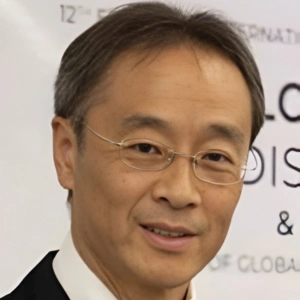
Isao Okunishi
Kinjirushi Co.,Ltd, JapanPresentation Title:
Improvement of brain function by Wasabi component “Hexaraphane”
Abstract
Hexaraphane (HXN; 6-methylsulfinylhexyl isothiocyanate, 6-MSITC) is an isothiocyanate compound found in the rhizomes and roots of wasabi (Eutrema japonicum). Emerging studies demonstrate that HXN possesses potent antioxidant, anti-inflammatory, and neuroprotective activities, suggesting therapeutic relevance for neurodegenerative disorders, including Alzheimer’s disease. This review highlights current insights into HXN’s mechanisms, with particular emphasis on its ability to suppress tau phosphorylation and activate the Nrf2 pathway, indicating a novel mechanism for neuronal protection. To investigate its functional effects in humans, a randomized, double-blind, parallel-group clinical trial was conducted in healthy middle-aged and older Japanese adults. Daily consumption of 100 mg of Wasabi Sulfinyl™ (WS), containing 0.8% HXN, resulted in measurable improvements in cognitive functions such as attention, judgment, and memory, demonstrating that HXN can enhance cognition even in healthy populations. (ME/CFS). Participants received 1.2 g of WS daily for three months and experienced significant.
Additionally, an exploratory intervention was carried out in fifteen patients with Myalgic Encephalomyelitis/Chronic Fatigue Syndrome reductions in neurological symptoms, including brain fog, photophobia, and difficulty finding words. Several individuals regained the ability to work, indicating meaningful improvements in quality of life and suggesting potential clinical utility beyond traditional cognitive disorders. Collectively, these findings, together with emerging mechanistic evidence, indicate that HXN provides substantial neuroprotective benefits and may alleviate various neurological impairments. Thus, HXN is a promising candidate for managing Alzheimer’s disease as well as broader neurological conditions associated with cognitive dysfunction and neuroinflammation.
Biography
Isao Okunishi studied Molecular Biology at Nagoya University, Japan, and graduated as MS in 1995. He then worked on functional research of Wasabi at Kinjirushi Co., Ltd. and received his Ph.D. (Agriculture) from Kagoshima University in 2022. He has published several papers and books on the functionality of Wasabi. He has also obtained nearly 30 patents related to his research.

Organization Location
1309 Coffeen Avenue, STE 1200, Sheridan, Wyoming 82801, USA
General Enquiry
contact@scientexconferences.com
Finance Enquiry
finance@scientexconferences.com
Call us at
USA : (+1) 928 394 6837